
Graphic Design for Dubai Restaurants and Cafes: Look Like Your Food Tastes
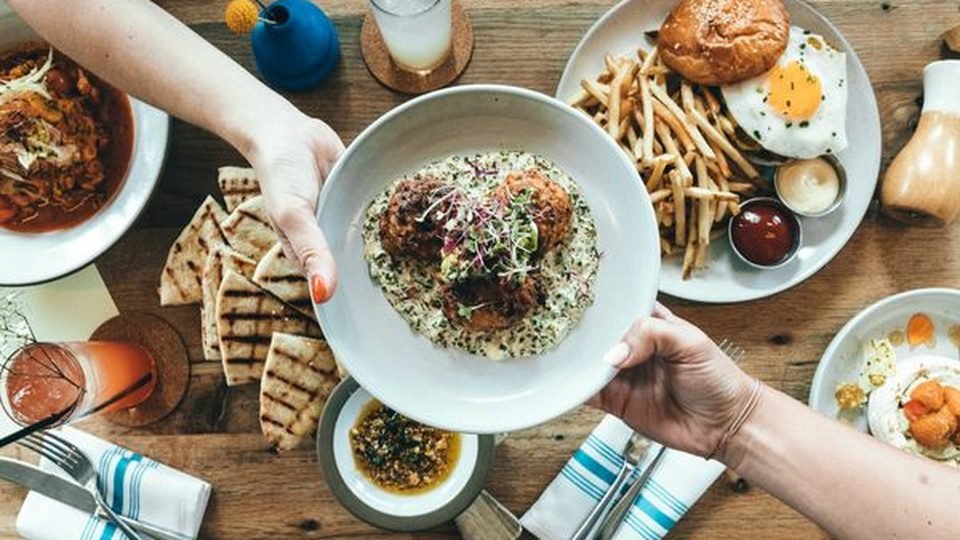
In Dubai, a customer usually meets a restaurant on a phone before they ever meet it in person: an Instagram post, a delivery-app listing, a Google result, a friend's story. If that first image looks careless, the food behind it has to work twice as hard. Good design does not make bad food good — but it does make good food visible, and in a city with this much choice, visibility is the first sale.
Restaurant design is not one job. It is a set of assets that have to look like the same place: the menu, the social posts, the offers, and the photos that carry all of them. When those pieces drift apart, a restaurant looks like several different businesses, and customers trust it less.
What restaurant design actually covers
For a restaurant or cafe, useful design usually means:
- Menu design — readable at a glance, with prices easy to find, best dishes easy to spot, and a layout that works both in print and on a phone screen.
- Social media posts — new dishes, daily offers, events and behind-the-scenes content, in a consistent style so followers recognise the restaurant instantly.
- Offer and promotion graphics — a discount, a set menu or a seasonal special, designed so the offer itself is clear in two seconds, not buried under decoration.
- Brand consistency — the same colours, fonts and tone across the menu, the posts and the delivery listings, so a customer who saw a post recognises the restaurant when they arrive.
- Photo-led design — design built around real photos of the actual food and space, not stock images of dishes the restaurant does not serve.
Ask a potential designer which of these they do as standard. If menu design and social design are treated as unrelated jobs, the restaurant ends up with two different looks and no recognisable brand.
Why Dubai restaurants need this more than most
Dubai's food scene is crowded, fast-moving and heavily visual. New places open constantly, delivery apps put dozens of options on one screen, and tourists as well as residents choose largely from images. A restaurant that looks generic on that screen competes on price alone; a restaurant with a clear, consistent look competes on identity.
There is also a practical point: menus change. Seasonal dishes, price changes, new offers — a menu that is hard to update becomes out of date, and an out-of-date menu annoys customers more than a plain one. Design that is built to be updated — with templates and editable files — saves money every time the menu changes, instead of paying for a rebuild.
Nexolent describes itself as a white-label production partner — "Content, handled." — with graphic design as one of its core capabilities alongside video editing, and it claims 2k+ projects delivered. That figure is a Nexolent claim; judge it alongside samples in your niche, not instead of them. For agencies, the same work is available white-label: the agency keeps the client and its own brand on the work, and Nexolent handles production behind the scenes.
How to brief restaurant design so it works
Most restaurant design disappoints for briefing reasons, not design reasons. Before the first asset, settle:
- Real photos — of the actual dishes, the interior and the team, taken in good light. Design cannot fix a dark, blurry food photo, and stock photos of other restaurants' food mislead customers.
- The exact text — dish names, prices and offer terms, checked before design starts, so a finished menu does not need reprinting for a typo.
- The brand starting point — colours, logo and tone, or an honest statement that there is no brand yet and the first job is to build one.
- Where each asset will be seen — a menu board, a printed menu, Instagram, a delivery app — because each needs different sizes and text sizes.
- Who approves — one person, one feedback round, one deadline, so a menu does not drift through a week of separate comments.
- What must never appear — a dish that is not served, a price that is not current, or an offer whose terms are not stated.
That last point matters for trust. An offer graphic that hides its terms — dates, minimum spend, dine-in only — creates complaints at the table, and those complaints cost more than the design saved.
The mistakes that cost restaurants customers
- A menu nobody can read. Tiny text, low contrast, or a layout that buries prices: customers should find what they want and what it costs without hunting.
- Social posts that look nothing like the restaurant. A luxury interior with cartoon-style posts, or a casual cafe with formal, stiff graphics — the mismatch confuses people before they arrive.
- Stock food photos. Customers notice when the photo does not match the plate in front of them, and the disappointment is worse than a simpler photo of the real dish would have been.
- One-off designs with no system. A beautiful launch post followed by months of inconsistent posts does less than a modest, consistent style posted every week.
- Offers without clarity. "50% off" with no terms, dates or conditions in the design invites arguments. The terms belong in the graphic, not in a comment thread.
What to ask before you hire a designer
- Can you show me a menu and three social posts for the same restaurant, so I can see consistency?
- How are files delivered — can my team update prices and dishes, or does every change need you?
- How do you handle food photography — do you work with photos I supply, or arrange a shoot?
- How many revision rounds are included, and what counts as a revision versus a rebuild?
- Who owns the source files if we stop working together?
The answers tell you whether you are buying a single design or a system you can keep using. A restaurant needs the system: the same look, updated easily, month after month.
FAQ
Do I need professional food photography first? Good photos help more than any other single thing. A phone photo in natural light, of the real dish, beats a polished stock image of a dish you do not serve. If a shoot is possible, do it before the menu redesign, not after.
How often should a restaurant post? Consistency beats frequency. Two or three recognisable posts a week, every week, build more trust than ten posts in one week followed by silence. Agree a rhythm you can actually sustain.
Can one designer handle menu, social and offers together? Yes, and they should — that is how consistency happens. Splitting them across different designers is the fastest way to end up with three different looks.
Is this available white-label for agencies? Yes. An agency can offer restaurant design to its clients under its own brand, with Nexolent handling production behind the scenes, the same way it handles video editing and other design work.
Next step: send photos of two or three signature dishes and your current menu, and Nexolent will confirm what the first design set includes. Use WhatsApp (UK) https://wa.me/447575150984, WhatsApp (Pakistan) https://wa.me/923149633145, or email info@nexolent.com.
Get in touch
Ready to talk about your project? Reach Nexolent directly:
WhatsApp (UK) WhatsApp (Pakistan) Email us